


Help your kids discover the wonders behind creation. Join us to make the world our laboratory.
Every month, be one of our students to come for a 90 minute class. We use modern technology and lab tools such as microscopes to create a hands-on experience kids love. Students are frequently sent home with supplies and further content to continue their learning.
Ellen Kahue has lots of exciting things to share at the farm. From local field trips, and webinars, to electricity and monarch butterflies, these local classes will help enable your children to bring science and nature right into your homes.
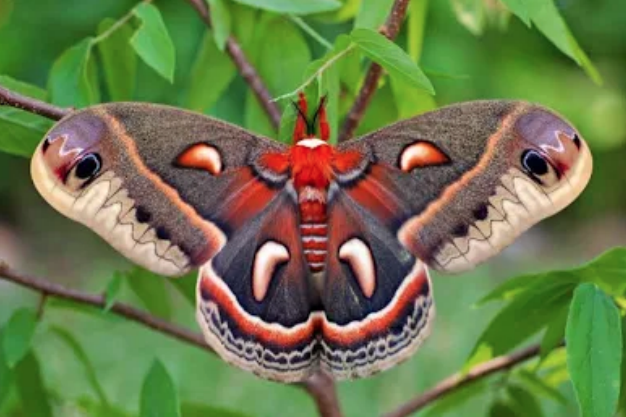
Moths play a vital role as pollinators and are an important food source for many other animals. In this hands-on lab, students will discover the fascinating world of moths by exploring the incredible diversity of species found in our area.
They will learn how to safely catch and preserve moths, identify their unique body parts and adaptations, and explore their life cycle—from eggs to metamorphosis.
Students will also learn about moth behavior, breeding habits, favorite food sources, and the important role these remarkable insects play in our ecosystem.
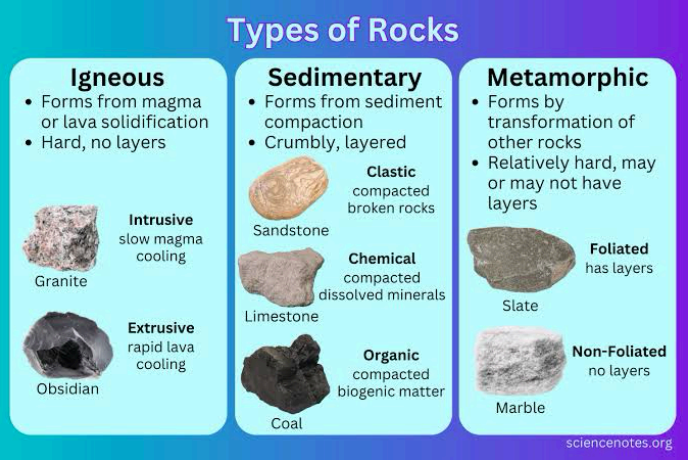
Students will begin their own rock collection in this exciting hands-on lab! They will learn to identify and classify igneous, sedimentary, and metamorphic rocks, as well as common minerals.
Students will also explore the rock cycle and learn how to use the Mohs Hardness Scale to test mineral hardness.
Each student will take home a collection of interesting rocks—and may even discover a real fossil to add to their collection!
Ms. Kahue earned her National Geographic Teaching Certification in Aquaponics and brings extensive knowledge and hands-on experience to this exciting lab.
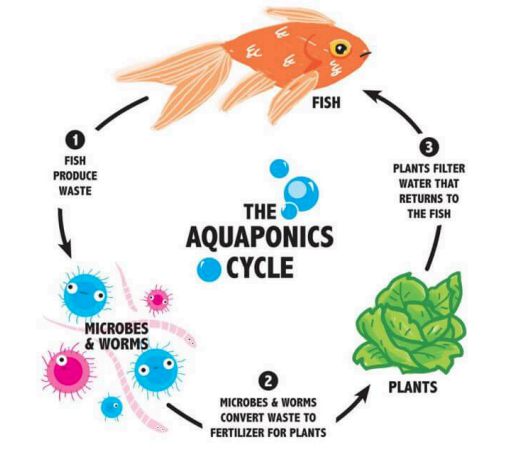
Aquaponics is a sustainable food production system that combines aquaculture (raising fish) with hydroponics (growing plants without soil) in a closed-loop water system.
Students will discover how fish and plants work together in a mutually beneficial relationship while exploring the science behind this innovative growing method.
Don’t be surprised if your child leaves inspired to ask for a fish and start growing plants at home!
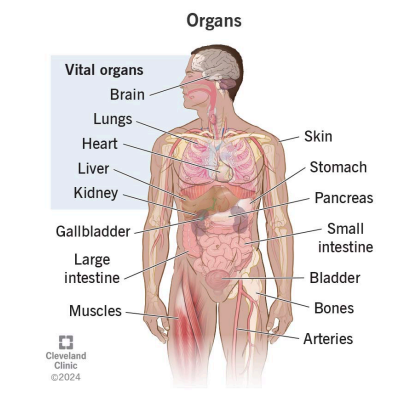
Every person is unique! In this fascinating hands-on lab, students will discover what makes their own bodies special.
They will learn about fingerprints and compare fingerprint patterns with family members, examine their own hair under a microscope, determine their blood type and pH level, measure blood pressure, height, and weight, and explore traits such as colorblindness, ocular dominance, and the Brock String Test for vision.
Students will also collect harmless bacteria samples from their skin or tongue and observe how bacteria grow in a Petri dish. After a 48-hour incubation period, Ms. Kahue’s son, Nathan, a microbiologist, will help identify the bacterial growth, and the class will review the results together.
Throughout the lab, students will record their findings on a personal Body Science Profile Card to take home as a keepsake of their discoveries.
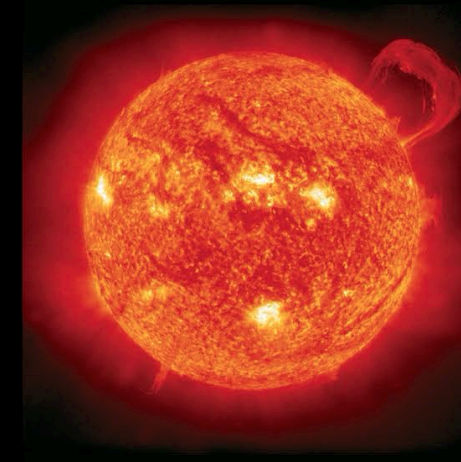
It’s time to have some fun with the Sun! In this exciting lab, students will explore what the Sun is made of, how far away it is, how it produces energy, and how solar weather, sunspots, and the solar cycle affect our solar system.
Inspired by a conversation with my granddaughter, Ella, I decided it was time to bring this popular topic back to Aloha Windmill Farms!
Students may even build a simple solar oven and discover how the Sun’s energy can be used to cook food—just like we did when we made s’mores using pizza box solar ovens.
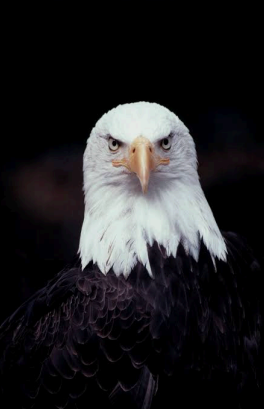
Can your child recognize the songs and calls of some of South Carolina’s most common birds?
After this lab, they just might! Students will discover fascinating facts about birds, learn how to identify many of the species found in our area by sight and sound, and explore the amazing ways birds are designed to survive and thrive.
As we study these remarkable creatures, we’ll also reflect on the many references to birds in the Bible. In Genesis 1:22, God blessed the birds, saying, “Let the birds increase on the earth.”
Jesus also used birds to illustrate God’s care and protection. Together, we’ll gain a deeper appreciation for the beauty, diversity, and purpose of birds in God’s creation.
Students will observe how eggs are incubated, discover the wonders of bird nests, and learn about the birds that live right here in our South Carolina neighborhoods.
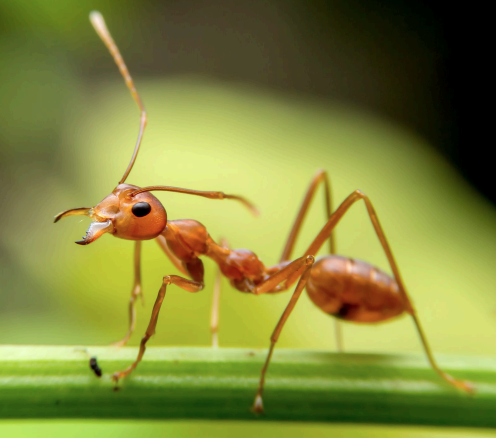
Have you ever wondered what goes on beneath an anthill? In this fascinating hands-on lab, students will discover the amazing world of ants and learn why these tiny insects are some of nature’s hardest workers.
They will observe live ants building tunnels and chambers in an ant farm, watch them work together as a colony, and discover how they communicate and complete their daily missions.
Students will also examine ants under a microscope, learn about their anatomy and life cycle, and explore the incredible diversity of ant species found around the world.
Best of all, they’ll learn how to create and care for their own ant farm at home using ants that can often be found right in their own backyard during the spring and summer. To buy live ants, check this website: www.antsalive.com.
| Cookie | Duration | Description |
|---|---|---|
| cookielawinfo-checkbox-analytics | 11 months | This cookie is set by GDPR Cookie Consent plugin. The cookie is used to store the user consent for the cookies in the category "Analytics". |
| cookielawinfo-checkbox-functional | 11 months | The cookie is set by GDPR cookie consent to record the user consent for the cookies in the category "Functional". |
| cookielawinfo-checkbox-necessary | 11 months | This cookie is set by GDPR Cookie Consent plugin. The cookies is used to store the user consent for the cookies in the category "Necessary". |
| cookielawinfo-checkbox-others | 11 months | This cookie is set by GDPR Cookie Consent plugin. The cookie is used to store the user consent for the cookies in the category "Other. |
| cookielawinfo-checkbox-performance | 11 months | This cookie is set by GDPR Cookie Consent plugin. The cookie is used to store the user consent for the cookies in the category "Performance". |
| viewed_cookie_policy | 11 months | The cookie is set by the GDPR Cookie Consent plugin and is used to store whether or not user has consented to the use of cookies. It does not store any personal data. |